Buy televisiebeugelshop.be ?
We are moving the project
televisiebeugelshop.be .
Are you interested in purchasing the domain
televisiebeugelshop.be ?
domain@kv-gmbh.de · 0541-91531010
Buy televisiebeugelshop.be ?
Is it a genitive object or an adverbial genitive?
The distinction between a genitive object and an adverbial genitive depends on the function of the genitive in the sentence. A genitive object typically functions as the direct object of a verb, indicating possession or association, while an adverbial genitive modifies the action of the verb, indicating manner, time, place, or other circumstances. To determine whether a genitive is a genitive object or an adverbial genitive, it is important to analyze the role it plays in the sentence and its relationship to the verb and other elements. **
Nominative or genitive?
Nominative and genitive are both grammatical cases in many languages, including Latin and German. The nominative case is used for the subject of a sentence, while the genitive case is used to show possession or relationship between nouns. In English, the genitive case is often indicated by adding an apostrophe and an "s" to a noun. **

Similar search terms for Genitive
Top-Angebote
Products related to Genitive:
-
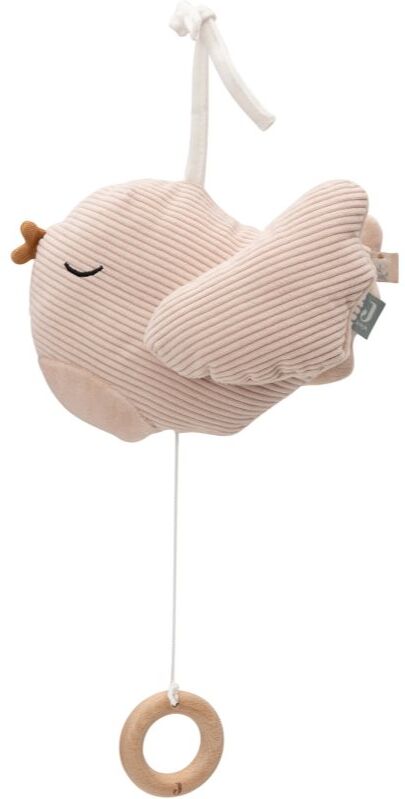
JOLLEIN Diego Musical Hanger jouet contrastant suspendu 0m+ 1 pcsJOLLEIN Diego Musical Hanger, 1 pcs, Jouets de suspension pour enfant, Quelques jours après la naissance, les bébés peuvent voir à une distance d’environ 25 cm et observent avec intérêt les objets en mouvement. Un jouet suspendu est donc le choix idéal pour les premiers mois de la vie de votre petit bout de chou. Parce qu’il est suspendu et qu’il présente un design et des couleurs ludiques, le jouet JOLLEIN Diego Musical Hanger éveille sa curiosité naturelle et capte toute son attention. En plus de le divertir, il l’aide également à développer son imagination, sa perception sensorielle, sa motricité et bien d’autres capacités. Le produit : le bruissement produit par les matériaux attire l’attention des enfants peut être placé sur une poussette, un siège auto ou un lit d'enfant développe la capacité du bébé à focaliser son attention stimule le développement de la vue et du toucher favorise le développement de la coordination main-œil léger et pratique, parfait pour partir en voyage design adorable, se présente sous la forme d’un animal peut être attaché presque partout grâce à sa pince pratique les différentes textures des matériaux stimulent le toucher de l'enfant Matériaux : en peluche Mode d’emploi : Attacher le jouet au bord de la poussette, hors de portée de l’enfant, et s’assurer qu’il est bien fixé.12,00 €*Shipping: 3,45 €Secure redirect to the provider
-
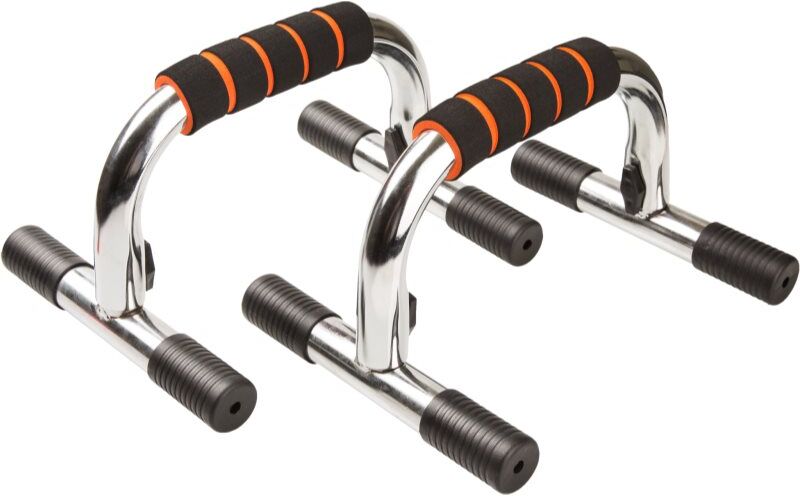
Power System Push-up Stand adaptateur pour les poignées 2 pcsPower System Push-up Stand, 2 pcs, Équipement de fitness pour homme, Les salles de sport ou les centres de fitness remplis de monde ne sont pas votre tasse de thé ? Dans ce cas, faites votre sport à la maison. L’accessoire d’entraînement Power System Push-up Stand améliorera vos séances d’exercices et les rendra plus efficaces. Le produit : matériel durable de qualité idéal pour l’entraînement à domicile conçu pour développer la masse musculaire13,80 €*Shipping: 3,45 €Secure redirect to the provider



-
Genitive or accusative?
The genitive case is used to show possession or relationship between nouns, while the accusative case is used to show the direct object of a verb or the object of certain prepositions. In general, the genitive case is used to indicate possession or belonging, while the accusative case is used to indicate the direct object of a verb or the object of a preposition. The choice between genitive and accusative depends on the specific context and the grammatical rules of the language being used. **
-
'Genitive or accusative?'
The genitive case is used to show possession or relationship between nouns, while the accusative case is used to show the direct object of a verb. In general, the genitive case is used to indicate ownership or association, while the accusative case is used to indicate the direct object of a verb or the object of a preposition. The choice between genitive and accusative depends on the specific context and the grammatical rules of the language being used. **
-
What is the difference between genitive attribute and genitive object?
The genitive attribute is a noun or pronoun that describes another noun by showing possession or association, typically indicated by the use of an apostrophe and the letter "s" ('s) or simply an apostrophe ('). For example, in the phrase "the car's color," "car's" is the genitive attribute describing the color. On the other hand, the genitive object is a noun or pronoun that receives the action of a verb and is also in the genitive case, indicating possession or association. For example, in the phrase "I saw the dog's tail," "dog's" is the genitive object showing possession of the tail. In summary, the genitive attribute describes the noun it is attached to, while the genitive object receives the action of the verb and shows possession or association. **
-
Dative or Genitive 2?
The choice between dative and genitive case in German depends on the verb or preposition being used. "Dative" is used to indicate the indirect object of a sentence, while "genitive" is used to show possession or a relationship between two nouns. "Genitive 2" specifically refers to the genitive case used after certain prepositions, such as trotz (despite) or während (during). It's important to learn the specific prepositions and verbs that require either dative or genitive case in order to use them correctly in German sentences. **

What is the difference between the genitive attribute and the genitive object?
The genitive attribute is a noun or pronoun that is used to describe another noun, showing possession or relationship, and is typically placed before the noun it is modifying. For example, "the car's color" where "car's" is the genitive attribute. On the other hand, the genitive object is a noun or pronoun that is the direct object of a verb and is in the genitive case to show possession or relationship. For example, "I saw the dog's tail" where "tail" is the genitive object. In summary, the genitive attribute describes a noun, while the genitive object is the direct object of a verb and shows possession or relationship. **
What is a genitive construction?
A genitive construction is a grammatical structure that shows possession or relationship between two nouns. It typically involves the use of an apostrophe followed by an "s" ('s) to indicate ownership, such as "the dog's tail." Genitive constructions can also be formed using prepositions like "of," as in "the tail of the dog." These constructions are commonly used in English to express possession, origin, or association. **
Top-Angebote
Products related to Genitive:
-
SKECHERS Baskets Uno - Stand on AirDétails produit • Usage sportswear • Talon plat • Fermeture : A lacets • Semelle intérieure confortable Skechers Air-Cooled Memory Foam® • Semelle intermédiaire Skech-Air® à coussin d'air visible • Coupe compensée avec talon caché de 2,5 cm • Tige synthétique lisse perforée « Durabuck » • Semelle extérieure en caoutchouc souple et adhérente Composition et Entretien • Dessus/Tige : 97% polyuréthane, 3% polyester • Doublure : 100% polyester • Semelle intérieure : 100% polyester • Semelle extérieure : 100% caoutchouc Fiche produit relative aux qualités et caractéristiques environnementales • Origine de fabrication (piquage, montage, finition) : Vietnam Dernière mise à jour des informations : 02/04/202667,46 €*Shipping: 3,99 €Secure redirect to the provider
-
JOLLEIN Diego Musical Hanger jouet contrastant suspendu 0m+ 1 pcsJOLLEIN Diego Musical Hanger, 1 pcs, Jouets de suspension pour enfant, Quelques jours après la naissance, les bébés peuvent voir à une distance d’environ 25 cm et observent avec intérêt les objets en mouvement. Un jouet suspendu est donc le choix idéal pour les premiers mois de la vie de votre petit bout de chou. Parce qu’il est suspendu et qu’il présente un design et des couleurs ludiques, le jouet JOLLEIN Diego Musical Hanger éveille sa curiosité naturelle et capte toute son attention. En plus de le divertir, il l’aide également à développer son imagination, sa perception sensorielle, sa motricité et bien d’autres capacités. Le produit : le bruissement produit par les matériaux attire l’attention des enfants peut être placé sur une poussette, un siège auto ou un lit d'enfant développe la capacité du bébé à focaliser son attention stimule le développement de la vue et du toucher favorise le développement de la coordination main-œil léger et pratique, parfait pour partir en voyage design adorable, se présente sous la forme d’un animal peut être attaché presque partout grâce à sa pince pratique les différentes textures des matériaux stimulent le toucher de l'enfant Matériaux : en peluche Mode d’emploi : Attacher le jouet au bord de la poussette, hors de portée de l’enfant, et s’assurer qu’il est bien fixé.12,00 €*Shipping: 3,45 €Secure redirect to the provider
-
Is it a genitive object or an adverbial genitive?
The distinction between a genitive object and an adverbial genitive depends on the function of the genitive in the sentence. A genitive object typically functions as the direct object of a verb, indicating possession or association, while an adverbial genitive modifies the action of the verb, indicating manner, time, place, or other circumstances. To determine whether a genitive is a genitive object or an adverbial genitive, it is important to analyze the role it plays in the sentence and its relationship to the verb and other elements. **
-
Nominative or genitive?
Nominative and genitive are both grammatical cases in many languages, including Latin and German. The nominative case is used for the subject of a sentence, while the genitive case is used to show possession or relationship between nouns. In English, the genitive case is often indicated by adding an apostrophe and an "s" to a noun. **
-
Genitive or accusative?
The genitive case is used to show possession or relationship between nouns, while the accusative case is used to show the direct object of a verb or the object of certain prepositions. In general, the genitive case is used to indicate possession or belonging, while the accusative case is used to indicate the direct object of a verb or the object of a preposition. The choice between genitive and accusative depends on the specific context and the grammatical rules of the language being used. **
-
'Genitive or accusative?'
The genitive case is used to show possession or relationship between nouns, while the accusative case is used to show the direct object of a verb. In general, the genitive case is used to indicate ownership or association, while the accusative case is used to indicate the direct object of a verb or the object of a preposition. The choice between genitive and accusative depends on the specific context and the grammatical rules of the language being used. **
Similar search terms for Genitive
-
Power System Push-up Stand adaptateur pour les poignées 2 pcsPower System Push-up Stand, 2 pcs, Équipement de fitness pour homme, Les salles de sport ou les centres de fitness remplis de monde ne sont pas votre tasse de thé ? Dans ce cas, faites votre sport à la maison. L’accessoire d’entraînement Power System Push-up Stand améliorera vos séances d’exercices et les rendra plus efficaces. Le produit : matériel durable de qualité idéal pour l’entraînement à domicile conçu pour développer la masse musculaire13,80 €*Shipping: 3,45 €Secure redirect to the provider
-
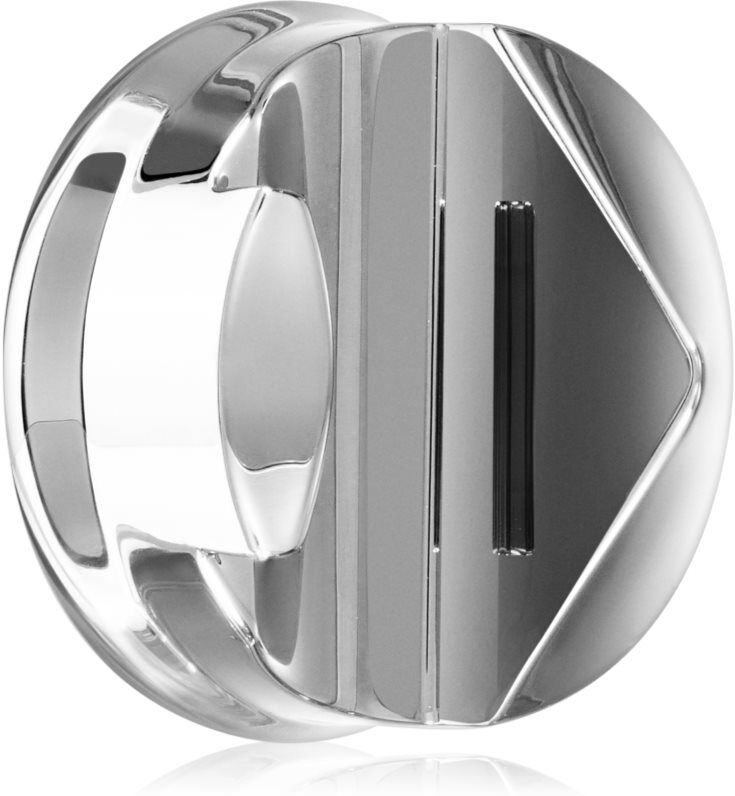
Mühle Holder Shaver support pour les rasoirs 1 pcsMühle Holder Shaver, 1 pcs, Produits de barbier pour homme, Les rasages classiques gagnent en popularité. Si vous aussi, vous souhaitez intégrer à votre routine des accessoires destinés à un rasage classique, le produit Mühle Holder Shaver constitue un complément idéal pour votre trousse de toilette. Il vous facilite les différentes étapes du rasage et vous aide à obtenir des résultats dignes d'un salon professionnel de coiffure. Le produit : conception design23,65 €*Shipping: 3,45 €Secure redirect to the provider
-
What is the difference between genitive attribute and genitive object?
The genitive attribute is a noun or pronoun that describes another noun by showing possession or association, typically indicated by the use of an apostrophe and the letter "s" ('s) or simply an apostrophe ('). For example, in the phrase "the car's color," "car's" is the genitive attribute describing the color. On the other hand, the genitive object is a noun or pronoun that receives the action of a verb and is also in the genitive case, indicating possession or association. For example, in the phrase "I saw the dog's tail," "dog's" is the genitive object showing possession of the tail. In summary, the genitive attribute describes the noun it is attached to, while the genitive object receives the action of the verb and shows possession or association. **
-
Dative or Genitive 2?
The choice between dative and genitive case in German depends on the verb or preposition being used. "Dative" is used to indicate the indirect object of a sentence, while "genitive" is used to show possession or a relationship between two nouns. "Genitive 2" specifically refers to the genitive case used after certain prepositions, such as trotz (despite) or während (during). It's important to learn the specific prepositions and verbs that require either dative or genitive case in order to use them correctly in German sentences. **
-
What is the difference between the genitive attribute and the genitive object?
The genitive attribute is a noun or pronoun that is used to describe another noun, showing possession or relationship, and is typically placed before the noun it is modifying. For example, "the car's color" where "car's" is the genitive attribute. On the other hand, the genitive object is a noun or pronoun that is the direct object of a verb and is in the genitive case to show possession or relationship. For example, "I saw the dog's tail" where "tail" is the genitive object. In summary, the genitive attribute describes a noun, while the genitive object is the direct object of a verb and shows possession or relationship. **
-
What is a genitive construction?
A genitive construction is a grammatical structure that shows possession or relationship between two nouns. It typically involves the use of an apostrophe followed by an "s" ('s) to indicate ownership, such as "the dog's tail." Genitive constructions can also be formed using prepositions like "of," as in "the tail of the dog." These constructions are commonly used in English to express possession, origin, or association. **
* All prices are inclusive of VAT and, if applicable, plus shipping costs. The offer information is based on the details provided by the respective shop and is updated through automated processes. Real-time updates do not occur, so deviations can occur in individual cases. ** Note: Parts of this content were created by AI.