Buy televisiebeugelshop.be ?
We are moving the project
televisiebeugelshop.be .
Are you interested in purchasing the domain
televisiebeugelshop.be ?
domain@kv-gmbh.de · 0541-91531010
Buy televisiebeugelshop.be ?
Would infinitive?
Yes, infinitives are a form of a verb that is not conjugated to show tense, person, or number. They are often used after certain verbs like "to be," "to want," or "to need." Infinitives can also be used as nouns, adjectives, or adverbs in a sentence. **
What is an infinitive clause? What is an infinitive?
An infinitive clause is a group of words that includes an infinitive and its associated words, such as objects or modifiers. An infinitive is the base form of a verb, typically preceded by the word "to" (e.g. to run, to eat, to study). Infinitive clauses can function as nouns, adjectives, or adverbs within a sentence, and they are often used to express purpose, intention, or result. **


Similar search terms for Infinitive
Top-Angebote
Products related to Infinitive:
-
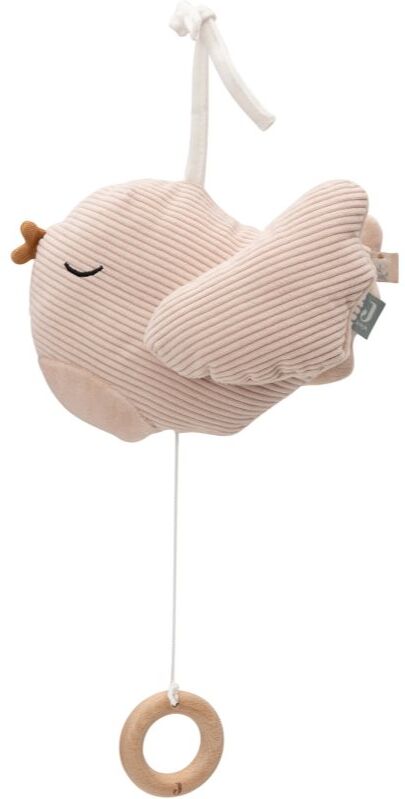
JOLLEIN Diego Musical Hanger jouet contrastant suspendu 0m+ 1 pcsJOLLEIN Diego Musical Hanger, 1 pcs, Jouets de suspension pour enfant, Quelques jours après la naissance, les bébés peuvent voir à une distance d’environ 25 cm et observent avec intérêt les objets en mouvement. Un jouet suspendu est donc le choix idéal pour les premiers mois de la vie de votre petit bout de chou. Parce qu’il est suspendu et qu’il présente un design et des couleurs ludiques, le jouet JOLLEIN Diego Musical Hanger éveille sa curiosité naturelle et capte toute son attention. En plus de le divertir, il l’aide également à développer son imagination, sa perception sensorielle, sa motricité et bien d’autres capacités. Le produit : le bruissement produit par les matériaux attire l’attention des enfants peut être placé sur une poussette, un siège auto ou un lit d'enfant développe la capacité du bébé à focaliser son attention stimule le développement de la vue et du toucher favorise le développement de la coordination main-œil léger et pratique, parfait pour partir en voyage design adorable, se présente sous la forme d’un animal peut être attaché presque partout grâce à sa pince pratique les différentes textures des matériaux stimulent le toucher de l'enfant Matériaux : en peluche Mode d’emploi : Attacher le jouet au bord de la poussette, hors de portée de l’enfant, et s’assurer qu’il est bien fixé.12,00 €*Shipping: 3,45 €Secure redirect to the provider



-
What is the difference between "arreter de + Infinitive" and "s'arreter + Infinitive"?
The difference between "arreter de + Infinitive" and "s'arreter + Infinitive" lies in the subject of the action. "Arreter de + Infinitive" means to stop doing something, where the subject is external and stops someone or something from doing an action. On the other hand, "s'arreter + Infinitive" means to stop oneself from doing something, where the subject is internal and refers to someone stopping their own action. **
-
What is the infinitive?
The infinitive is the base form of a verb, typically preceded by the word "to" (e.g., to run, to eat). It is the most basic form of the verb and is used in various ways in English grammar, such as to express purpose, obligation, or future actions. The infinitive can also be used without the word "to" in certain constructions, known as bare infinitives (e.g., I must go, let him eat). **
-
What form is the infinitive?
The infinitive is the base form of a verb, typically preceded by the word "to" (e.g. to run, to eat). It is used to express purpose, intention, or potential actions. In English, infinitives can function as nouns, adjectives, or adverbs within a sentence. **
-
What is the perfect infinitive?
The perfect infinitive is a verb form that is used to show an action that was completed before the main verb in the sentence. It is formed by using 'to have' followed by the past participle of the main verb. For example, in the sentence "She seems to have finished her homework," 'to have finished' is the perfect infinitive. This form is commonly used to indicate actions that happened in the past relative to the main verb. **

What is an infinitive example?
An infinitive example is a verb form that is typically preceded by the word "to" (e.g. to run, to eat, to sleep). It is the base form of the verb and is used in a variety of ways in English grammar, such as to express purpose, intention, or obligation. Infinitive examples can also be used as subjects, objects, or complements in a sentence. **
Is it in the infinitive?
No, the sentence does not contain an infinitive. **
Top-Angebote
Products related to Infinitive:
-
vidaXL Stand de guitare pliableFabriqué en acier de qualité, ce stand double guitare réglable est idéal pour placer toutes tailles de guitares. Sa conception originale permet de placer deux guitares à un stand. Construit avec construction robuste, ce support de guitare est conçu pour des années d'utilisation. Un verrouillage amovible vous permet de régler la hauteur et d’adapter à n'importe quelle guitare. Grâce aux supports en mousse et aux supports en bas, votre guitare sera maintenue de manière stable pour éviter son basculement. Les embouts antidérapants en caoutchouc sont équipés non seulement pour protéger votre sol contre les rayures, mais aussi pour assurer une stabilité optimale. Son design pliable permet un transport et un stockage facile.21,60 €*Shipping: 0,00 €Secure redirect to the provider
-
SKECHERS Baskets Uno - Stand on AirDétails produit • Usage sportswear • Talon plat • Fermeture : A lacets • Semelle intérieure confortable Skechers Air-Cooled Memory Foam® • Semelle intermédiaire Skech-Air® à coussin d'air visible • Coupe compensée avec talon caché de 2,5 cm • Tige synthétique lisse perforée « Durabuck » • Semelle extérieure en caoutchouc souple et adhérente Composition et Entretien • Dessus/Tige : 97% polyuréthane, 3% polyester • Doublure : 100% polyester • Semelle intérieure : 100% polyester • Semelle extérieure : 100% caoutchouc Fiche produit relative aux qualités et caractéristiques environnementales • Origine de fabrication (piquage, montage, finition) : Vietnam Dernière mise à jour des informations : 02/04/202667,46 €*Shipping: 3,99 €Secure redirect to the provider
-
JOLLEIN Diego Musical Hanger jouet contrastant suspendu 0m+ 1 pcsJOLLEIN Diego Musical Hanger, 1 pcs, Jouets de suspension pour enfant, Quelques jours après la naissance, les bébés peuvent voir à une distance d’environ 25 cm et observent avec intérêt les objets en mouvement. Un jouet suspendu est donc le choix idéal pour les premiers mois de la vie de votre petit bout de chou. Parce qu’il est suspendu et qu’il présente un design et des couleurs ludiques, le jouet JOLLEIN Diego Musical Hanger éveille sa curiosité naturelle et capte toute son attention. En plus de le divertir, il l’aide également à développer son imagination, sa perception sensorielle, sa motricité et bien d’autres capacités. Le produit : le bruissement produit par les matériaux attire l’attention des enfants peut être placé sur une poussette, un siège auto ou un lit d'enfant développe la capacité du bébé à focaliser son attention stimule le développement de la vue et du toucher favorise le développement de la coordination main-œil léger et pratique, parfait pour partir en voyage design adorable, se présente sous la forme d’un animal peut être attaché presque partout grâce à sa pince pratique les différentes textures des matériaux stimulent le toucher de l'enfant Matériaux : en peluche Mode d’emploi : Attacher le jouet au bord de la poussette, hors de portée de l’enfant, et s’assurer qu’il est bien fixé.12,00 €*Shipping: 3,45 €Secure redirect to the provider
-
Would infinitive?
Yes, infinitives are a form of a verb that is not conjugated to show tense, person, or number. They are often used after certain verbs like "to be," "to want," or "to need." Infinitives can also be used as nouns, adjectives, or adverbs in a sentence. **
-
What is an infinitive clause? What is an infinitive?
An infinitive clause is a group of words that includes an infinitive and its associated words, such as objects or modifiers. An infinitive is the base form of a verb, typically preceded by the word "to" (e.g. to run, to eat, to study). Infinitive clauses can function as nouns, adjectives, or adverbs within a sentence, and they are often used to express purpose, intention, or result. **
-
What is the difference between "arreter de + Infinitive" and "s'arreter + Infinitive"?
The difference between "arreter de + Infinitive" and "s'arreter + Infinitive" lies in the subject of the action. "Arreter de + Infinitive" means to stop doing something, where the subject is external and stops someone or something from doing an action. On the other hand, "s'arreter + Infinitive" means to stop oneself from doing something, where the subject is internal and refers to someone stopping their own action. **
-
What is the infinitive?
The infinitive is the base form of a verb, typically preceded by the word "to" (e.g., to run, to eat). It is the most basic form of the verb and is used in various ways in English grammar, such as to express purpose, obligation, or future actions. The infinitive can also be used without the word "to" in certain constructions, known as bare infinitives (e.g., I must go, let him eat). **
Similar search terms for Infinitive
-
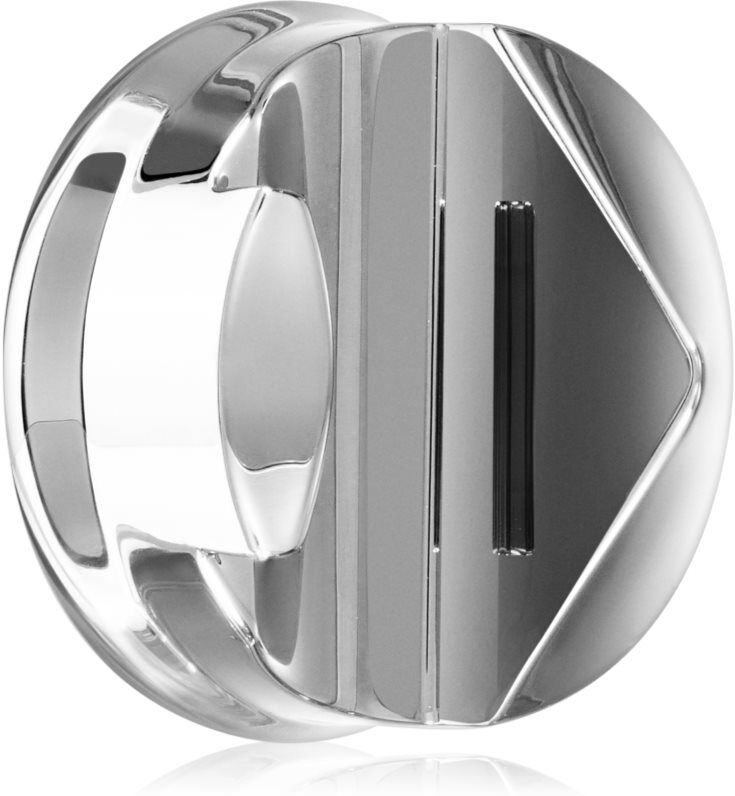
Mühle Holder Shaver support pour les rasoirs 1 pcsMühle Holder Shaver, 1 pcs, Produits de barbier pour homme, Les rasages classiques gagnent en popularité. Si vous aussi, vous souhaitez intégrer à votre routine des accessoires destinés à un rasage classique, le produit Mühle Holder Shaver constitue un complément idéal pour votre trousse de toilette. Il vous facilite les différentes étapes du rasage et vous aide à obtenir des résultats dignes d'un salon professionnel de coiffure. Le produit : conception design23,65 €*Shipping: 3,45 €Secure redirect to the provider
-
vidaXL Stand de lavage des mains de camping avec roues GrisCe support de lavage moderne pour camping est idéal pour les besoins de lavage des mains à l'extérieur. Conçu pour être utilisé dehors, ce stand est parfait pour les jardins, terrasses ou sites de camping où il faut de l'accessibilité et de l'hygiène. Avec son look gris élégant et fait principalement en polyéthylène haute densité, il combine style et résistance. Son design moderne est caractérisé par des lignes simples et peu d'ornements, s'intégrant facilement dans des environnements extérieurs contemporains. Design moderne : Avec son look chic et minimaliste, ce support de lavage pour camping s'intègre parfaitement dans n'importe quel espace extérieur moderne, comme un jardin ou une terrasse. Son style simple fait qu'il s'accorde bien avec les autres meubles d'extérieur, offrant une belle cohérence et une fonctionnalité pratique. Construction portable : Conçu pour être super facile à utiliser, ce support de lavage a des roues robustes qui le rendent simple à déplacer partout en extérieur. Que vous alliez du porche arrière à votre emplacement de camping, son design assure une grande maniabilité. Matériau haute densité : Fait en polyéthylène haute densité, ce stand résiste parfaitement aux conditions extérieures. Sa construction solide le rend résistant aux intempéries, aux UV et aux manipulations, assurant une durabilité et une hygiène continue. Utilisation fonctionnelle : Principalement fait pour une utilisation extérieure, il est essentiel pour garder une hygiène dans des environnements naturels. Super pratique pour les événements d'été, les excursions de camping ou les repas en plein air, il offre une solution hygiénique fiable quand il le faut. Assemblage simple : Peut être monté par une seule personne, ce qui garantit une installation efficace, sans outils compliqués, en faisant un ajout facile à tout arrangement d'hygiène extérieur.204,99 €*Shipping: 0,00 €Secure redirect to the provider
-
What form is the infinitive?
The infinitive is the base form of a verb, typically preceded by the word "to" (e.g. to run, to eat). It is used to express purpose, intention, or potential actions. In English, infinitives can function as nouns, adjectives, or adverbs within a sentence. **
-
What is the perfect infinitive?
The perfect infinitive is a verb form that is used to show an action that was completed before the main verb in the sentence. It is formed by using 'to have' followed by the past participle of the main verb. For example, in the sentence "She seems to have finished her homework," 'to have finished' is the perfect infinitive. This form is commonly used to indicate actions that happened in the past relative to the main verb. **
-
What is an infinitive example?
An infinitive example is a verb form that is typically preceded by the word "to" (e.g. to run, to eat, to sleep). It is the base form of the verb and is used in a variety of ways in English grammar, such as to express purpose, intention, or obligation. Infinitive examples can also be used as subjects, objects, or complements in a sentence. **
-
Is it in the infinitive?
No, the sentence does not contain an infinitive. **
* All prices are inclusive of VAT and, if applicable, plus shipping costs. The offer information is based on the details provided by the respective shop and is updated through automated processes. Real-time updates do not occur, so deviations can occur in individual cases. ** Note: Parts of this content were created by AI.