Buy televisiebeugelshop.be ?
We are moving the project
televisiebeugelshop.be .
Are you interested in purchasing the domain
televisiebeugelshop.be ?
domain@kv-gmbh.de · 0541-91531010
Buy televisiebeugelshop.be ?
Are Austrians Slavic?
No, Austrians are not Slavic. The majority of Austrians are of Germanic descent, with a significant minority of people from other ethnic backgrounds. The Slavic population in Austria is relatively small, primarily concentrated in the southern regions of the country near the border with Slovenia. Therefore, while there is some Slavic influence in Austria, the majority of the population is not of Slavic descent. **
Is Romania Slavic?
No, Romania is not a Slavic country. The majority of the population in Romania is of Romanian ethnicity, and the official language is Romanian, which is a Romance language. The Slavic people are primarily found in countries such as Russia, Ukraine, and Poland. While Romania has been influenced by Slavic culture and history, it is not considered a Slavic country. **


Similar search terms for Slavic
Top-Angebote
Products related to Slavic:
-
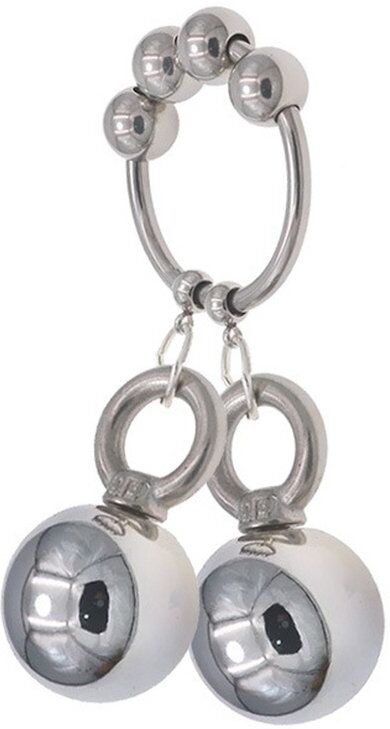
MenSteel Anneau en métal avec 2 boules Weight Hanger 160gFaites glisser doucement le Anneau en métal avec 2 boules Weight Hanger 160g autour du gland. Sensuel et précis. L’objet se fait sentir, lourd et froid, puis devient presque familier. Ce bijou viril attire le regard et intensifie les sensations, tout en affirmant votre goût pour les accessoires de22,99 €*Shipping: 3,90 €Secure redirect to the provider
-
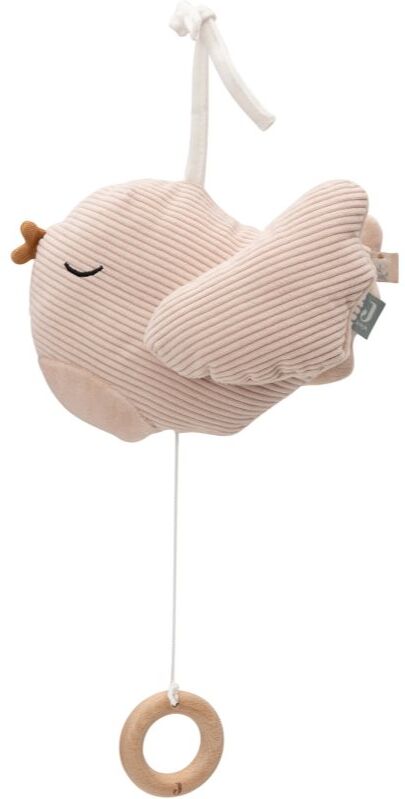
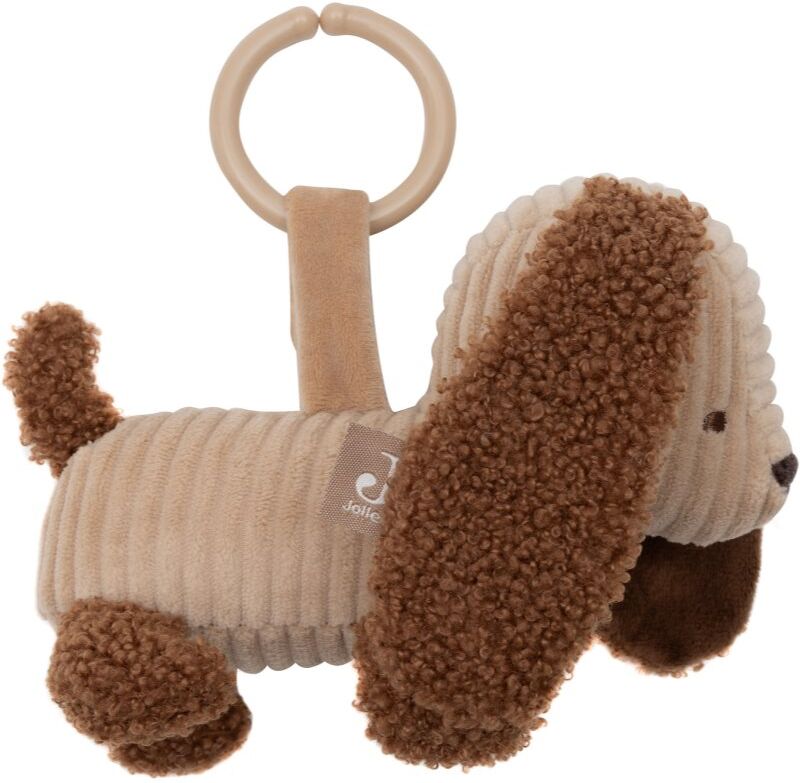
JOLLEIN Diego Musical Hanger jouet contrastant suspendu 0m+ 1 pcsJOLLEIN Diego Musical Hanger, 1 pcs, Jouets de suspension pour enfant, Quelques jours après la naissance, les bébés peuvent voir à une distance d’environ 25 cm et observent avec intérêt les objets en mouvement. Un jouet suspendu est donc le choix idéal pour les premiers mois de la vie de votre petit bout de chou. Parce qu’il est suspendu et qu’il présente un design et des couleurs ludiques, le jouet JOLLEIN Diego Musical Hanger éveille sa curiosité naturelle et capte toute son attention. En plus de le divertir, il l’aide également à développer son imagination, sa perception sensorielle, sa motricité et bien d’autres capacités. Le produit : le bruissement produit par les matériaux attire l’attention des enfants peut être placé sur une poussette, un siège auto ou un lit d'enfant développe la capacité du bébé à focaliser son attention stimule le développement de la vue et du toucher favorise le développement de la coordination main-œil léger et pratique, parfait pour partir en voyage design adorable, se présente sous la forme d’un animal peut être attaché presque partout grâce à sa pince pratique les différentes textures des matériaux stimulent le toucher de l'enfant Matériaux : en peluche Mode d’emploi : Attacher le jouet au bord de la poussette, hors de portée de l’enfant, et s’assurer qu’il est bien fixé.12,00 €*Shipping: 3,45 €Secure redirect to the provider

-
Do you see right away that Slavic people are also Slavic?
No, it is not always immediately obvious that someone is Slavic just by looking at them. Slavic people come from a diverse range of countries and regions, and their physical appearances can vary widely. While some Slavic people may have common physical features, such as fair skin and light hair, there is no single "Slavic look" that can be used to identify someone as Slavic. It is important to remember that ethnicity and nationality are complex and multifaceted, and cannot be determined solely based on appearance. **
-
What are Slavic countries?
Slavic countries are nations in Eastern Europe and parts of Central Europe that are predominantly inhabited by people of Slavic descent. These countries share cultural, linguistic, and historical ties stemming from the Slavic ethnic group. Some examples of Slavic countries include Russia, Poland, Ukraine, Czech Republic, and Serbia. The Slavic languages, which are part of the larger Indo-European language family, are spoken in these countries and form a common thread among them. **
-
Is Slavic mythology underestimated?
Slavic mythology is often overlooked and underestimated in comparison to other mythologies such as Greek or Norse. This may be due to a lack of widespread knowledge and understanding of Slavic mythology outside of Eastern Europe. However, Slavic mythology is rich in folklore, deities, and epic tales that deserve more recognition and appreciation. As interest in diverse mythologies grows, there is an opportunity for Slavic mythology to receive the attention and respect it deserves. **
-
Do I have Slavic roots?
Without more specific information about your family history and genealogy, it is difficult to definitively determine if you have Slavic roots. Slavic people are an ethnic group native to Eastern Europe, so if your ancestors come from countries such as Russia, Poland, Ukraine, Czech Republic, or other Slavic nations, it is possible that you have Slavic roots. Researching your family history, speaking with relatives, and possibly taking a DNA test could provide more insight into your ancestry and whether you have Slavic heritage. **

Are Austrians Germanic or Slavic?
Austrians are considered to be primarily Germanic. The majority of the population in Austria speaks German as their first language and shares cultural and historical ties with other Germanic-speaking countries. However, due to its location in Central Europe, Austria has also been influenced by Slavic cultures, particularly in regions bordering countries like Slovenia and the Czech Republic. **
What is anti-Slavic racism?
Anti-Slavic racism refers to prejudice, discrimination, or hostility directed towards individuals of Slavic descent. This form of racism is based on negative stereotypes, misconceptions, and generalizations about Slavic people, often portraying them as inferior or undesirable. Anti-Slavic racism can manifest in various ways, such as hate speech, violence, or systemic discrimination targeting Slavic communities. It is important to recognize and challenge anti-Slavic racism to promote equality, understanding, and respect for all individuals regardless of their ethnic background. **
Top-Angebote
Products related to Slavic:
-
SKECHERS Baskets Uno - Stand on AirDétails produit • Usage sportswear • Talon plat • Fermeture : A lacets • Semelle intérieure confortable Skechers Air-Cooled Memory Foam® • Semelle intermédiaire Skech-Air® à coussin d'air visible • Coupe compensée avec talon caché de 2,5 cm • Tige synthétique lisse perforée « Durabuck » • Semelle extérieure en caoutchouc souple et adhérente Composition et Entretien • Dessus/Tige : 97% polyuréthane, 3% polyester • Doublure : 100% polyester • Semelle intérieure : 100% polyester • Semelle extérieure : 100% caoutchouc Fiche produit relative aux qualités et caractéristiques environnementales • Origine de fabrication (piquage, montage, finition) : Vietnam Dernière mise à jour des informations : 02/04/202667,46 €*Shipping: 3,99 €Secure redirect to the provider
-
MenSteel Anneau en métal avec 2 boules Weight Hanger 160gFaites glisser doucement le Anneau en métal avec 2 boules Weight Hanger 160g autour du gland. Sensuel et précis. L’objet se fait sentir, lourd et froid, puis devient presque familier. Ce bijou viril attire le regard et intensifie les sensations, tout en affirmant votre goût pour les accessoires de22,99 €*Shipping: 3,90 €Secure redirect to the provider
-
Are Austrians Slavic?
No, Austrians are not Slavic. The majority of Austrians are of Germanic descent, with a significant minority of people from other ethnic backgrounds. The Slavic population in Austria is relatively small, primarily concentrated in the southern regions of the country near the border with Slovenia. Therefore, while there is some Slavic influence in Austria, the majority of the population is not of Slavic descent. **
-
Is Romania Slavic?
No, Romania is not a Slavic country. The majority of the population in Romania is of Romanian ethnicity, and the official language is Romanian, which is a Romance language. The Slavic people are primarily found in countries such as Russia, Ukraine, and Poland. While Romania has been influenced by Slavic culture and history, it is not considered a Slavic country. **
-
Do you see right away that Slavic people are also Slavic?
No, it is not always immediately obvious that someone is Slavic just by looking at them. Slavic people come from a diverse range of countries and regions, and their physical appearances can vary widely. While some Slavic people may have common physical features, such as fair skin and light hair, there is no single "Slavic look" that can be used to identify someone as Slavic. It is important to remember that ethnicity and nationality are complex and multifaceted, and cannot be determined solely based on appearance. **
-
What are Slavic countries?
Slavic countries are nations in Eastern Europe and parts of Central Europe that are predominantly inhabited by people of Slavic descent. These countries share cultural, linguistic, and historical ties stemming from the Slavic ethnic group. Some examples of Slavic countries include Russia, Poland, Ukraine, Czech Republic, and Serbia. The Slavic languages, which are part of the larger Indo-European language family, are spoken in these countries and form a common thread among them. **
Similar search terms for Slavic
-
JOLLEIN Diego Musical Hanger jouet contrastant suspendu 0m+ 1 pcsJOLLEIN Diego Musical Hanger, 1 pcs, Jouets de suspension pour enfant, Quelques jours après la naissance, les bébés peuvent voir à une distance d’environ 25 cm et observent avec intérêt les objets en mouvement. Un jouet suspendu est donc le choix idéal pour les premiers mois de la vie de votre petit bout de chou. Parce qu’il est suspendu et qu’il présente un design et des couleurs ludiques, le jouet JOLLEIN Diego Musical Hanger éveille sa curiosité naturelle et capte toute son attention. En plus de le divertir, il l’aide également à développer son imagination, sa perception sensorielle, sa motricité et bien d’autres capacités. Le produit : le bruissement produit par les matériaux attire l’attention des enfants peut être placé sur une poussette, un siège auto ou un lit d'enfant développe la capacité du bébé à focaliser son attention stimule le développement de la vue et du toucher favorise le développement de la coordination main-œil léger et pratique, parfait pour partir en voyage design adorable, se présente sous la forme d’un animal peut être attaché presque partout grâce à sa pince pratique les différentes textures des matériaux stimulent le toucher de l'enfant Matériaux : en peluche Mode d’emploi : Attacher le jouet au bord de la poussette, hors de portée de l’enfant, et s’assurer qu’il est bien fixé.12,00 €*Shipping: 3,45 €Secure redirect to the provider
-
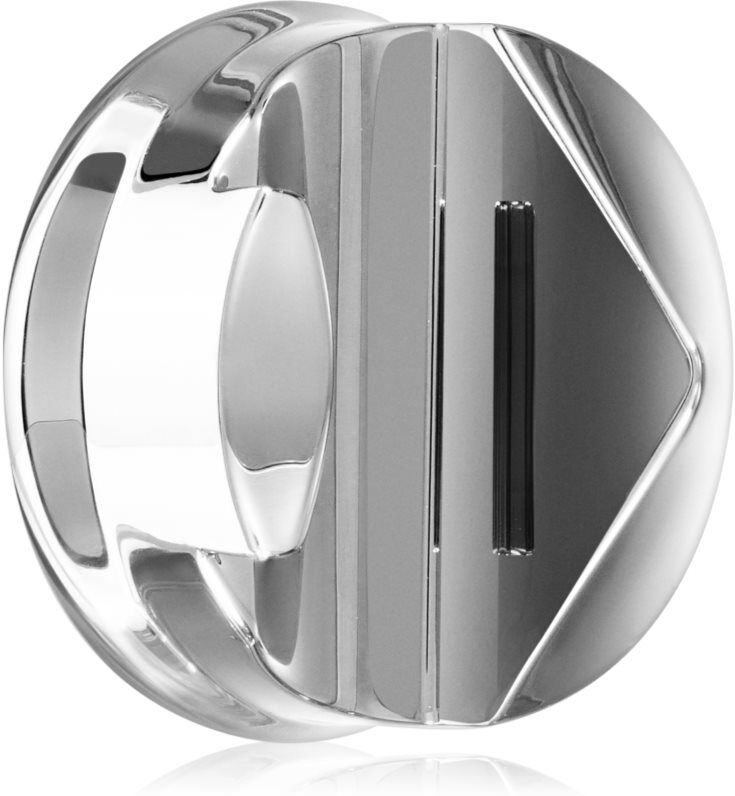
Mühle Holder Shaver support pour les rasoirs 1 pcsMühle Holder Shaver, 1 pcs, Produits de barbier pour homme, Les rasages classiques gagnent en popularité. Si vous aussi, vous souhaitez intégrer à votre routine des accessoires destinés à un rasage classique, le produit Mühle Holder Shaver constitue un complément idéal pour votre trousse de toilette. Il vous facilite les différentes étapes du rasage et vous aide à obtenir des résultats dignes d'un salon professionnel de coiffure. Le produit : conception design23,65 €*Shipping: 3,45 €Secure redirect to the provider
-
Is Slavic mythology underestimated?
Slavic mythology is often overlooked and underestimated in comparison to other mythologies such as Greek or Norse. This may be due to a lack of widespread knowledge and understanding of Slavic mythology outside of Eastern Europe. However, Slavic mythology is rich in folklore, deities, and epic tales that deserve more recognition and appreciation. As interest in diverse mythologies grows, there is an opportunity for Slavic mythology to receive the attention and respect it deserves. **
-
Do I have Slavic roots?
Without more specific information about your family history and genealogy, it is difficult to definitively determine if you have Slavic roots. Slavic people are an ethnic group native to Eastern Europe, so if your ancestors come from countries such as Russia, Poland, Ukraine, Czech Republic, or other Slavic nations, it is possible that you have Slavic roots. Researching your family history, speaking with relatives, and possibly taking a DNA test could provide more insight into your ancestry and whether you have Slavic heritage. **
-
Are Austrians Germanic or Slavic?
Austrians are considered to be primarily Germanic. The majority of the population in Austria speaks German as their first language and shares cultural and historical ties with other Germanic-speaking countries. However, due to its location in Central Europe, Austria has also been influenced by Slavic cultures, particularly in regions bordering countries like Slovenia and the Czech Republic. **
-
What is anti-Slavic racism?
Anti-Slavic racism refers to prejudice, discrimination, or hostility directed towards individuals of Slavic descent. This form of racism is based on negative stereotypes, misconceptions, and generalizations about Slavic people, often portraying them as inferior or undesirable. Anti-Slavic racism can manifest in various ways, such as hate speech, violence, or systemic discrimination targeting Slavic communities. It is important to recognize and challenge anti-Slavic racism to promote equality, understanding, and respect for all individuals regardless of their ethnic background. **
* All prices are inclusive of VAT and, if applicable, plus shipping costs. The offer information is based on the details provided by the respective shop and is updated through automated processes. Real-time updates do not occur, so deviations can occur in individual cases. ** Note: Parts of this content were created by AI.