Buy televisiebeugelshop.be ?
We are moving the project
televisiebeugelshop.be .
Are you interested in purchasing the domain
televisiebeugelshop.be ?
domain@kv-gmbh.de · 0541-91531010
Buy televisiebeugelshop.be ?
What happened to Yugoslavia?
Yugoslavia was a country in Southeast Europe that existed from 1918 to 2003. It was formed after World War I and consisted of several different ethnic groups, including Serbs, Croats, and Bosniaks. However, ethnic tensions and political conflicts eventually led to the breakup of Yugoslavia in the 1990s. This breakup resulted in a series of violent conflicts, including the Bosnian War and the Kosovo War. By 2003, the remaining parts of Yugoslavia had all become independent nations, including Serbia, Croatia, Bosnia and Herzegovina, Montenegro, North Macedonia, and Slovenia. **
Was Yugoslavia a democracy?
Yugoslavia was officially a socialist federal republic, and its political system was based on the principles of self-management and workers' councils. While it had elements of a multi-party system and periodic elections, the Communist Party held a dominant position in the government and society. This limited the true democratic nature of the country, as the ruling party had significant control over political and social life. Therefore, while Yugoslavia had some democratic features, it did not fully function as a liberal democracy. **


Similar search terms for Yugoslavia
Top-Angebote
Products related to Yugoslavia:
-
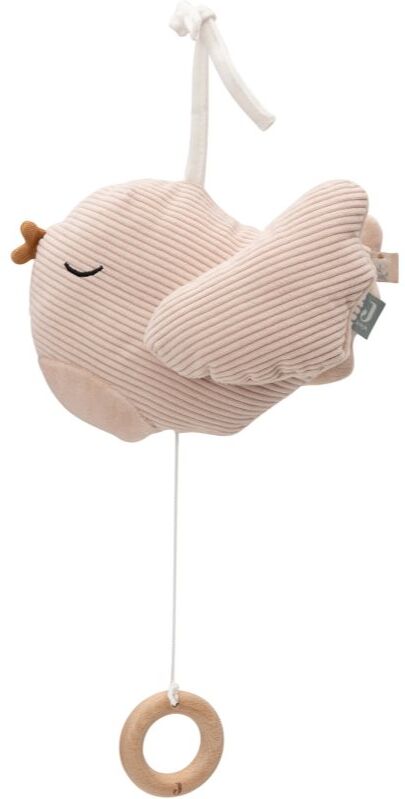
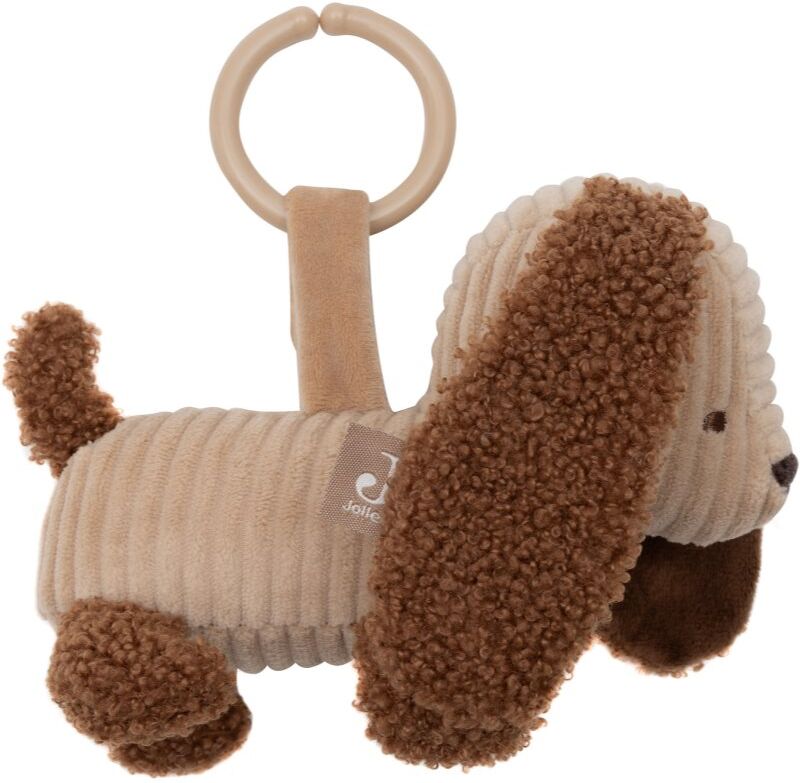
JOLLEIN Diego Musical Hanger jouet contrastant suspendu 0m+ 1 pcsJOLLEIN Diego Musical Hanger, 1 pcs, Jouets de suspension pour enfant, Quelques jours après la naissance, les bébés peuvent voir à une distance d’environ 25 cm et observent avec intérêt les objets en mouvement. Un jouet suspendu est donc le choix idéal pour les premiers mois de la vie de votre petit bout de chou. Parce qu’il est suspendu et qu’il présente un design et des couleurs ludiques, le jouet JOLLEIN Diego Musical Hanger éveille sa curiosité naturelle et capte toute son attention. En plus de le divertir, il l’aide également à développer son imagination, sa perception sensorielle, sa motricité et bien d’autres capacités. Le produit : le bruissement produit par les matériaux attire l’attention des enfants peut être placé sur une poussette, un siège auto ou un lit d'enfant développe la capacité du bébé à focaliser son attention stimule le développement de la vue et du toucher favorise le développement de la coordination main-œil léger et pratique, parfait pour partir en voyage design adorable, se présente sous la forme d’un animal peut être attaché presque partout grâce à sa pince pratique les différentes textures des matériaux stimulent le toucher de l'enfant Matériaux : en peluche Mode d’emploi : Attacher le jouet au bord de la poussette, hors de portée de l’enfant, et s’assurer qu’il est bien fixé.12,00 €*Shipping: 3,45 €Secure redirect to the provider
-
MenSteel Anneau en métal avec 1 boule Weight Hanger 90gFaites glisser lentement le Anneau en métal avec 1 boule Weight Hanger 90g autour de votre sexe. Sensation immédiate. Le métal froid réveille la peau, le poids attire doucement vers le bas. Chaque mouvement devient plus dense, plus présent, presque hypnotique.Poids et précision ⚙️Signé MenSteel,20,99 €*Shipping: 3,90 €Secure redirect to the provider
-
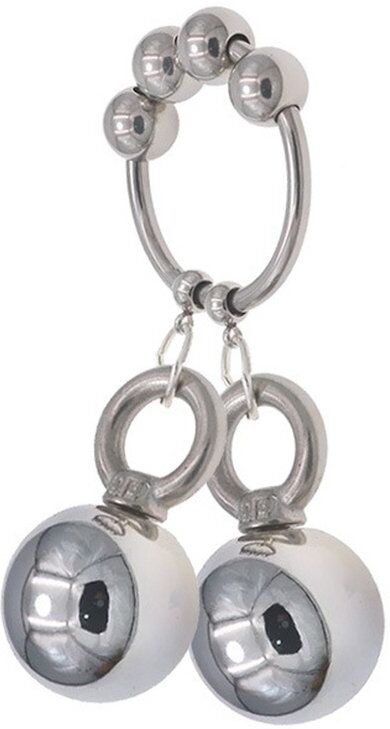
MenSteel Anneau en métal avec 2 boules Weight Hanger 160gFaites glisser doucement le Anneau en métal avec 2 boules Weight Hanger 160g autour du gland. Sensuel et précis. L’objet se fait sentir, lourd et froid, puis devient presque familier. Ce bijou viril attire le regard et intensifie les sensations, tout en affirmant votre goût pour les accessoires de22,99 €*Shipping: 3,90 €Secure redirect to the provider

-
What is Yugoslavia called today?
Yugoslavia is no longer a country. It dissolved in the early 1990s due to ethnic conflicts and is now split into several independent countries. These countries include Serbia, Croatia, Slovenia, Bosnia and Herzegovina, Montenegro, Kosovo, and North Macedonia. **
-
How would Yugoslavia look like today?
It is difficult to predict exactly how Yugoslavia would look like today as there are many factors to consider. However, it is possible that the country would have faced challenges due to its diverse ethnic and religious makeup. There may have been ongoing tensions between different groups, potentially leading to political instability and conflict. On the other hand, if the country had managed to maintain unity and stability, it could have been a strong player in the region with a diverse and vibrant culture. **
-
Which language was spoken in Yugoslavia?
The main language spoken in Yugoslavia was Serbo-Croatian, which is a South Slavic language. This language was a combination of Serbian and Croatian dialects and was used as the official language of the country. Other languages spoken in Yugoslavia included Slovenian, Macedonian, and Albanian, reflecting the diverse ethnic makeup of the country. **
-
Is Yugoslavia a world power today?
No, Yugoslavia is not a world power today. In fact, Yugoslavia as a political entity ceased to exist in the 1990s, breaking up into several independent countries including Serbia, Croatia, Bosnia and Herzegovina, Montenegro, North Macedonia, and Slovenia. These individual countries do not hold the same level of global influence or power as the former Yugoslavia once did. Therefore, Yugoslavia is not a world power today. **


What is the problem regarding Yugoslavia?
The problem regarding Yugoslavia is the ongoing ethnic and political tensions that have persisted since the breakup of the country in the 1990s. The region has experienced violent conflicts and wars, resulting in the loss of thousands of lives and the displacement of millions of people. The unresolved issues of ethnic nationalism, territorial disputes, and political instability continue to hinder the progress and stability of the region. Additionally, the lack of reconciliation and accountability for war crimes and human rights abuses further complicates efforts to achieve lasting peace and stability in the former Yugoslav states. **
Why does Yugoslavia no longer exist?
Yugoslavia no longer exists due to a combination of factors, including ethnic and nationalist tensions, economic difficulties, and the collapse of communism. The country was made up of multiple ethnic groups, including Serbs, Croats, and Bosnians, which led to internal conflicts and eventually the breakup of the country. Additionally, the fall of communism in Eastern Europe and the economic struggles that followed contributed to the disintegration of Yugoslavia. Ultimately, these factors led to the secession of various republics and the eventual dissolution of the country. **
Top-Angebote
Products related to Yugoslavia:
-
SKECHERS Baskets Uno - Stand on AirDétails produit • Usage sportswear • Talon plat • Fermeture : A lacets • Semelle intérieure confortable Skechers Air-Cooled Memory Foam® • Semelle intermédiaire Skech-Air® à coussin d'air visible • Coupe compensée avec talon caché de 2,5 cm • Tige synthétique lisse perforée « Durabuck » • Semelle extérieure en caoutchouc souple et adhérente Composition et Entretien • Dessus/Tige : 97% polyuréthane, 3% polyester • Doublure : 100% polyester • Semelle intérieure : 100% polyester • Semelle extérieure : 100% caoutchouc Fiche produit relative aux qualités et caractéristiques environnementales • Origine de fabrication (piquage, montage, finition) : Vietnam Dernière mise à jour des informations : 02/04/202689,95 €*Shipping: 3,99 €Secure redirect to the provider
-
JOLLEIN Diego Musical Hanger jouet contrastant suspendu 0m+ 1 pcsJOLLEIN Diego Musical Hanger, 1 pcs, Jouets de suspension pour enfant, Quelques jours après la naissance, les bébés peuvent voir à une distance d’environ 25 cm et observent avec intérêt les objets en mouvement. Un jouet suspendu est donc le choix idéal pour les premiers mois de la vie de votre petit bout de chou. Parce qu’il est suspendu et qu’il présente un design et des couleurs ludiques, le jouet JOLLEIN Diego Musical Hanger éveille sa curiosité naturelle et capte toute son attention. En plus de le divertir, il l’aide également à développer son imagination, sa perception sensorielle, sa motricité et bien d’autres capacités. Le produit : le bruissement produit par les matériaux attire l’attention des enfants peut être placé sur une poussette, un siège auto ou un lit d'enfant développe la capacité du bébé à focaliser son attention stimule le développement de la vue et du toucher favorise le développement de la coordination main-œil léger et pratique, parfait pour partir en voyage design adorable, se présente sous la forme d’un animal peut être attaché presque partout grâce à sa pince pratique les différentes textures des matériaux stimulent le toucher de l'enfant Matériaux : en peluche Mode d’emploi : Attacher le jouet au bord de la poussette, hors de portée de l’enfant, et s’assurer qu’il est bien fixé.12,00 €*Shipping: 3,45 €Secure redirect to the provider
-
What happened to Yugoslavia?
Yugoslavia was a country in Southeast Europe that existed from 1918 to 2003. It was formed after World War I and consisted of several different ethnic groups, including Serbs, Croats, and Bosniaks. However, ethnic tensions and political conflicts eventually led to the breakup of Yugoslavia in the 1990s. This breakup resulted in a series of violent conflicts, including the Bosnian War and the Kosovo War. By 2003, the remaining parts of Yugoslavia had all become independent nations, including Serbia, Croatia, Bosnia and Herzegovina, Montenegro, North Macedonia, and Slovenia. **
-
Was Yugoslavia a democracy?
Yugoslavia was officially a socialist federal republic, and its political system was based on the principles of self-management and workers' councils. While it had elements of a multi-party system and periodic elections, the Communist Party held a dominant position in the government and society. This limited the true democratic nature of the country, as the ruling party had significant control over political and social life. Therefore, while Yugoslavia had some democratic features, it did not fully function as a liberal democracy. **
-
What is Yugoslavia called today?
Yugoslavia is no longer a country. It dissolved in the early 1990s due to ethnic conflicts and is now split into several independent countries. These countries include Serbia, Croatia, Slovenia, Bosnia and Herzegovina, Montenegro, Kosovo, and North Macedonia. **
-
How would Yugoslavia look like today?
It is difficult to predict exactly how Yugoslavia would look like today as there are many factors to consider. However, it is possible that the country would have faced challenges due to its diverse ethnic and religious makeup. There may have been ongoing tensions between different groups, potentially leading to political instability and conflict. On the other hand, if the country had managed to maintain unity and stability, it could have been a strong player in the region with a diverse and vibrant culture. **
Similar search terms for Yugoslavia
-
MenSteel Anneau en métal avec 1 boule Weight Hanger 90gFaites glisser lentement le Anneau en métal avec 1 boule Weight Hanger 90g autour de votre sexe. Sensation immédiate. Le métal froid réveille la peau, le poids attire doucement vers le bas. Chaque mouvement devient plus dense, plus présent, presque hypnotique.Poids et précision ⚙️Signé MenSteel,20,99 €*Shipping: 3,90 €Secure redirect to the provider
-
MenSteel Anneau en métal avec 2 boules Weight Hanger 160gFaites glisser doucement le Anneau en métal avec 2 boules Weight Hanger 160g autour du gland. Sensuel et précis. L’objet se fait sentir, lourd et froid, puis devient presque familier. Ce bijou viril attire le regard et intensifie les sensations, tout en affirmant votre goût pour les accessoires de22,99 €*Shipping: 3,90 €Secure redirect to the provider
-
MenSteel Ballstretcher avec Boules pendantes Steel Hanger Diamètre 34mm - Poids 390gLe métal capte la lumière et attire le regard. Ce Ballstretcher avec Boules pendantes Steel Hanger Diamètre 34mm - Poids 390g de MenSteel se distingue par sa conception solide et équilibrée. Il s’adresse à celles et ceux qui apprécient la précision, la sensation du poids et le contact froid de47,99 €*Shipping: 0,00 €Secure redirect to the provider
-
Which language was spoken in Yugoslavia?
The main language spoken in Yugoslavia was Serbo-Croatian, which is a South Slavic language. This language was a combination of Serbian and Croatian dialects and was used as the official language of the country. Other languages spoken in Yugoslavia included Slovenian, Macedonian, and Albanian, reflecting the diverse ethnic makeup of the country. **
-
Is Yugoslavia a world power today?
No, Yugoslavia is not a world power today. In fact, Yugoslavia as a political entity ceased to exist in the 1990s, breaking up into several independent countries including Serbia, Croatia, Bosnia and Herzegovina, Montenegro, North Macedonia, and Slovenia. These individual countries do not hold the same level of global influence or power as the former Yugoslavia once did. Therefore, Yugoslavia is not a world power today. **
-
What is the problem regarding Yugoslavia?
The problem regarding Yugoslavia is the ongoing ethnic and political tensions that have persisted since the breakup of the country in the 1990s. The region has experienced violent conflicts and wars, resulting in the loss of thousands of lives and the displacement of millions of people. The unresolved issues of ethnic nationalism, territorial disputes, and political instability continue to hinder the progress and stability of the region. Additionally, the lack of reconciliation and accountability for war crimes and human rights abuses further complicates efforts to achieve lasting peace and stability in the former Yugoslav states. **
-
Why does Yugoslavia no longer exist?
Yugoslavia no longer exists due to a combination of factors, including ethnic and nationalist tensions, economic difficulties, and the collapse of communism. The country was made up of multiple ethnic groups, including Serbs, Croats, and Bosnians, which led to internal conflicts and eventually the breakup of the country. Additionally, the fall of communism in Eastern Europe and the economic struggles that followed contributed to the disintegration of Yugoslavia. Ultimately, these factors led to the secession of various republics and the eventual dissolution of the country. **
* All prices are inclusive of VAT and, if applicable, plus shipping costs. The offer information is based on the details provided by the respective shop and is updated through automated processes. Real-time updates do not occur, so deviations can occur in individual cases. ** Note: Parts of this content were created by AI.